Built to Last: Choosing a Roof That Can Handle Lake Erie Winds
Living in the Toledo area, we’re no strangers to the power of Mother Nature. We get to enjoy all four seasons, but that also means dealing with some serious weather. When a storm rolls in off the lake, the last thing you want to worry about is the integrity of your roof. That howling wind can be a source of major anxiety for any homeowner, raising questions about loose shingles, potential leaks, and the overall safety of your home. A durable, well-installed roof isn’t just an asset; it’s your home’s first line of defense against our unique Lake Erie weather. This guide will walk you through the best roofing options to ensure your home stays safe and secure, giving you peace of mind when the wind picks up.
Why High Winds Are a Roof's Worst Enemy
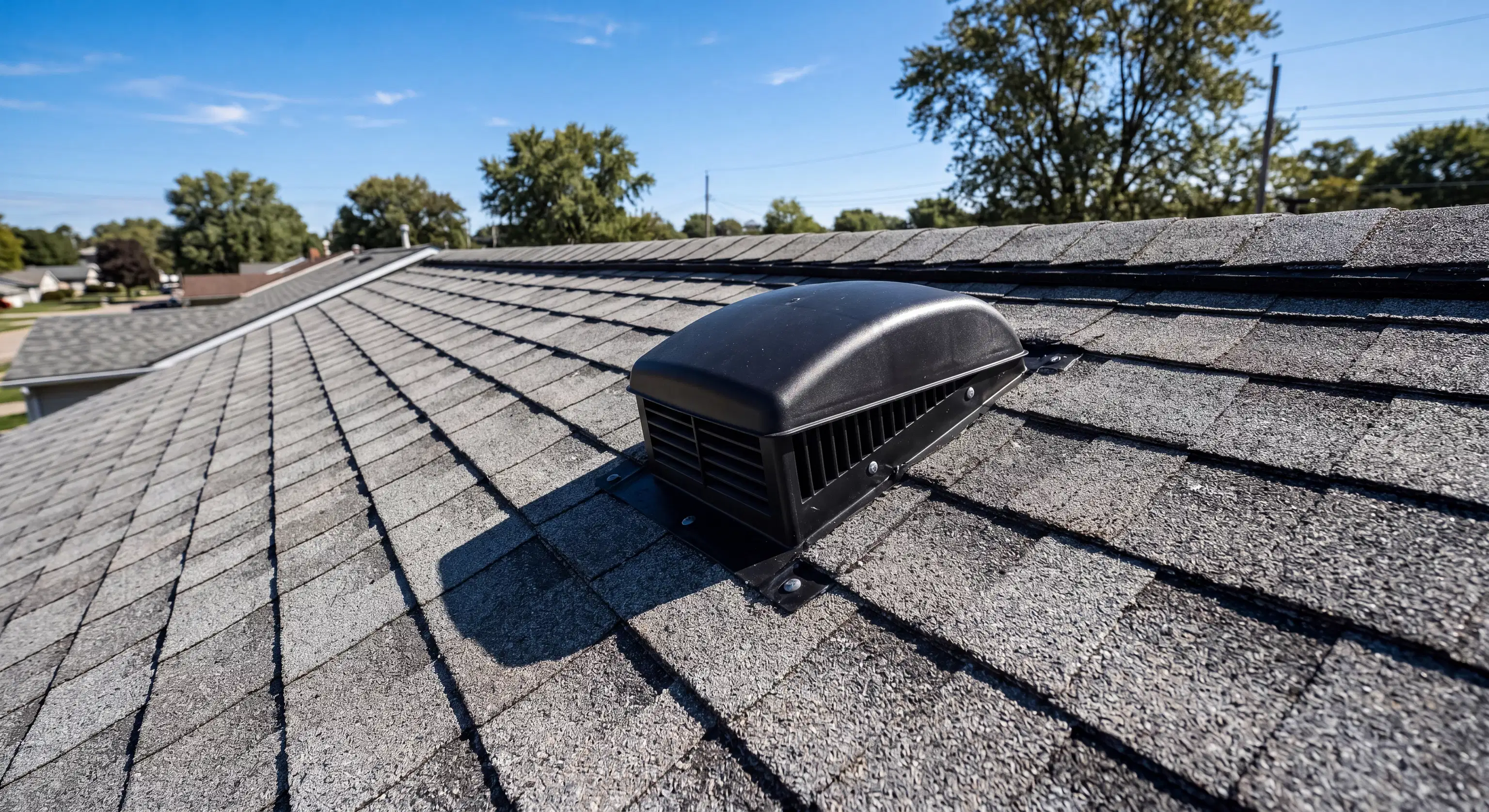
To understand how to protect your roof, it helps to know what you’re up against. High winds don't just blow against your roof; they create a powerful lifting effect. As wind flows over the peak of your roof, it creates a pressure difference, with lower pressure above the roof and higher pressure inside the attic. This differential can act like a giant lever, trying to pull your shingles and decking upwards.
This is especially true for the edges, corners, and rake of the roof, which are most vulnerable to wind uplift. Once the wind gets underneath a single loose shingle, it can start a chain reaction, peeling back entire sections and exposing the underlayment to rain and debris. This is why choosing materials specifically designed for high wind resistance and ensuring they are installed with meticulous care is not just a recommendation—it's a necessity for protecting your investment.
Top Roofing Materials for Wind Resistance
When it comes to standing up to strong gusts, not all roofing materials are created equal. Your choice can significantly impact your home's long-term durability and your peace of mind. Here are two of the most effective options for our region:
High-Quality Architectural Asphalt Shingles
Forget the flat, basic shingles of the past. Modern architectural asphalt shingles are a fantastic choice for both performance and aesthetics. They are thicker, heavier, and constructed with multiple laminated layers, which gives them a dimensional appearance and, more importantly, superior wind resistance compared to traditional 3-tab shingles.
Look for shingles with a Class F or Class H wind rating, which are tested to withstand winds of 110 mph and 150 mph, respectively. These shingles feature reinforced nailing zones and powerful adhesive strips that activate in the sun to create a strong, unified seal across your roof. When installed correctly, they provide a robust and reliable barrier against wind and rain.
Durable and Secure Metal Roofing
For homeowners seeking the ultimate in protection and longevity, metal roofing is an exceptional investment. Systems like standing seam metal roofs feature interlocking panels that run vertically from the ridge to the eaves. This design creates very few horizontal seams and a highly secure, interlocking structure that is incredibly resistant to wind uplift.
Because the panels are fastened with concealed clips and screws, there are no exposed entry points for wind or water. Metal roofs can easily withstand hurricane-force winds while also offering benefits like longevity (often lasting 50 years or more), energy efficiency by reflecting solar heat, and resistance to fire and rot. While the initial cost is higher, the long-term durability and minimal maintenance make it a priority for those who value lasting quality.
Installation: The Critical Factor for a Wind-Proof Roof
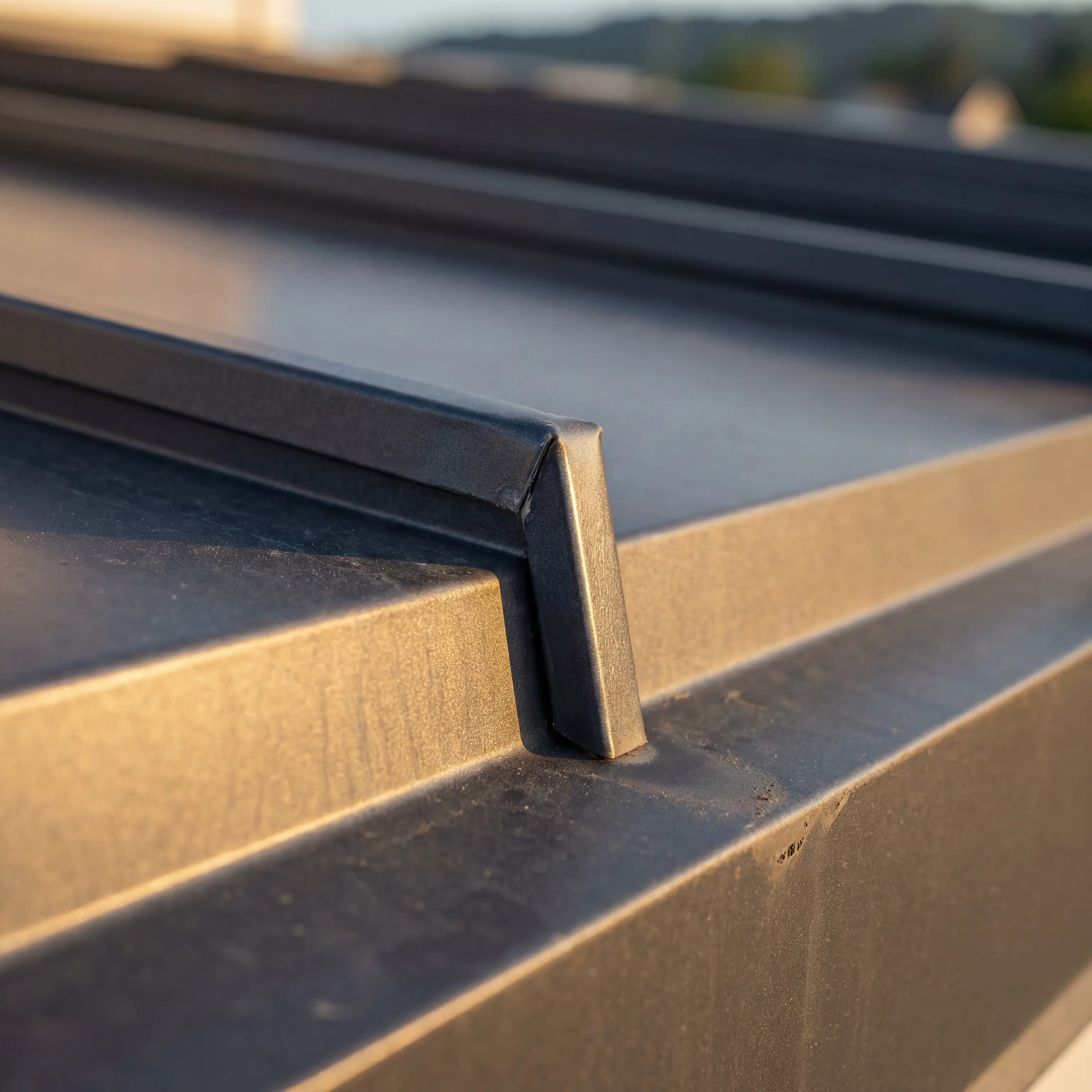
Even the most advanced, high-wind-rated materials will fail if they aren't installed properly. The quality of workmanship is just as important as the quality of the shingles or panels. A professional installation ensures every component works together to create a cohesive, wind-resistant system.
Key elements of a wind-resistant installation include:
- Correct Nailing: Using the right number of nails (often six per shingle in high-wind zones) and placing them in the manufacturer-specified nailing strip is crucial. Improperly placed or under-driven nails are a primary cause of shingle blow-off.
- Secure Edges: Special attention must be paid to the starter strips along the eaves and rakes, as these are the first points of contact for wind uplift.
- Proper Underlayment: A high-quality synthetic underlayment provides a critical secondary water barrier in the unlikely event a shingle is damaged or lifted.
Regular inspections are also key to preventing wind damage. Having your roof checked every few years, or after a particularly severe storm, can identify and address small issues like loose flashing or a lifted shingle before they escalate into costly roofing repairs.
Protect Your Home with a Mint Roofing Solution
Choosing the right roof for your home is one of the most important decisions you can make as a homeowner. In our corner of Ohio, that means selecting a system built to withstand strong winds and whatever else Lake Erie sends our way. By opting for high-quality architectural shingles or a durable metal roof, and entrusting the job to skilled professionals, you can ensure your home is protected for decades to come.
If you're concerned about your current roof's ability to handle the next storm, or if you're ready to invest in lasting protection, we're here to help. Contact Mint Roofing today for a free, no-obligation inspection. We’ll assess your roof's condition and provide you with the best options to keep your Toledo-area home safe and secure. Schedule your free estimate now!