
Don't Wait for the Drip: A Homeowner's Guide to Finding and Fixing Roof Leaks
That sinking feeling when you spot a new water stain on your ceiling is something no homeowner wants to experience. A roof leak, no matter how small, can feel like a major problem, bringing with it worries about damage, cost, and disruption. Here in the Toledo area, our homes are constantly tested by everything from summer thunderstorms to heavy lake-effect snow. This demanding "Lake Erie weather" means our roofs work overtime to protect us.
Ignoring a small drip can lead to significant issues down the road, including damaged insulation, weakened structural supports, and even mold growth. But the good news is that by knowing what to look for, you can catch problems early. This guide will walk you through the common signs of a roof leak, where these leaks typically start, and the safest steps to take to resolve them, ensuring your home stays safe and dry.
The Sneaky Signs of a Hidden Roof Leak
A full-blown drip from the ceiling is an obvious cry for help, but most leaks start much more subtly. Being vigilant for the early warning signs can save you a lot of money and stress. Keep an eye out for these clues inside and outside your home:
- Water Stains: Look for discoloration on ceilings or walls, often appearing as yellowish or brownish circles. They might feel damp to the touch, but even old, dry stains indicate a past or intermittent leak.
- Peeling or Bubbling Paint: Moisture getting into the drywall or plaster behind your paint will cause it to lose adhesion, leading to bubbling, blistering, or peeling, especially near the corners where walls meet the ceiling.
- Musty Odors: If you notice a persistent damp, earthy smell, particularly in your attic or on the top floor, it could be a sign of hidden moisture and the beginning of mold or mildew growth from a slow leak.
- Visible Mold or Mildew: Dark spots or fuzzy growth on non-shower walls or ceilings are a clear indicator that water is present where it shouldn't be.
- Exterior Clues: Take a walk around your property. Do you see any cracked, curled, or missing shingles? Are there excessive amounts of shingle granules in your gutters? These are signs that your roof's primary layer of defense is weakening.
The Usual Suspects: Where Most Roof Leaks Start
Leaks aren't always random; they often occur at points where the roof is penetrated or joined. Understanding these common trouble spots can help you or a professional pinpoint the source of the problem more quickly.
-
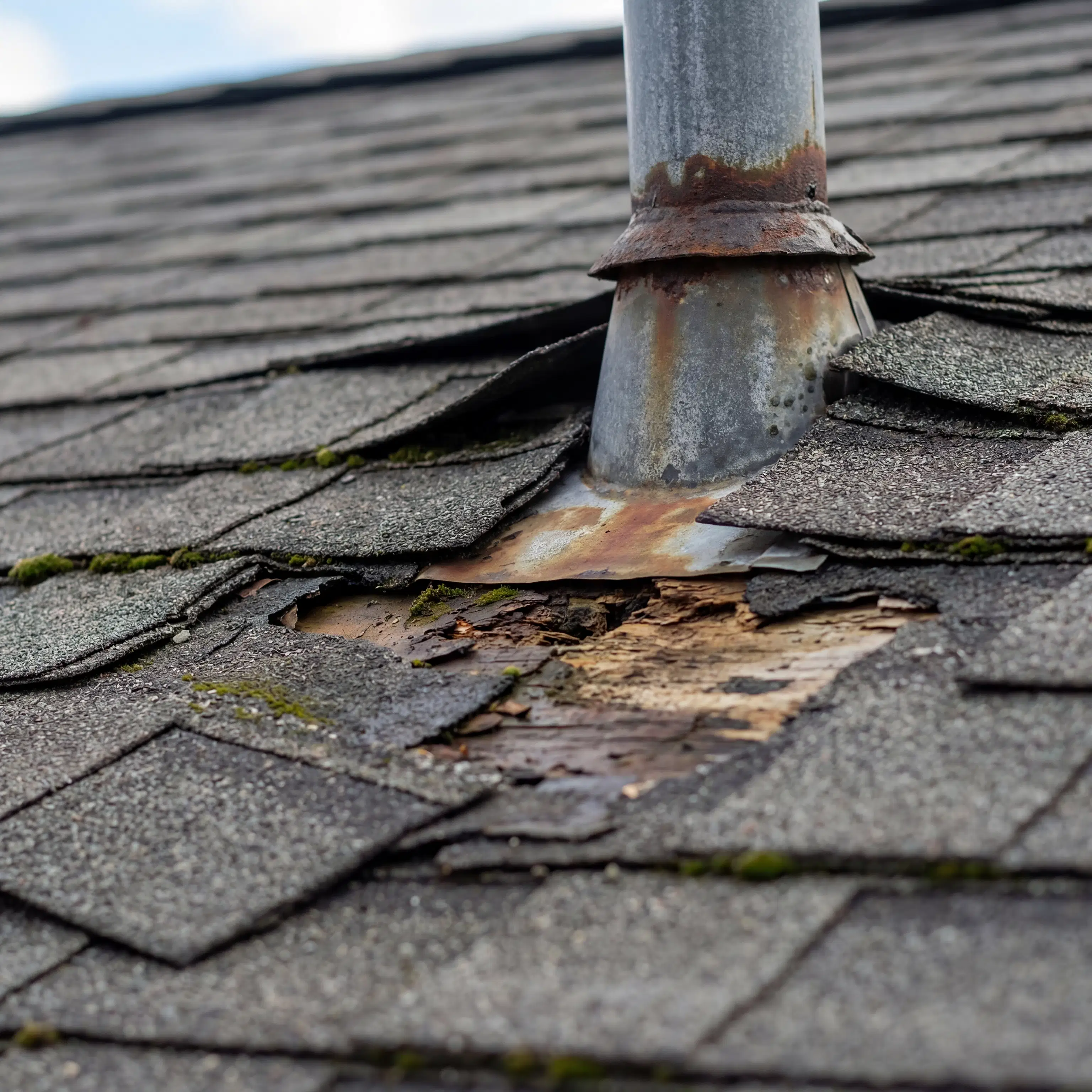
Damaged or Aging Shingles: This is the most common culprit. Over time, sun exposure, wind, and hail can cause asphalt shingles to crack, curl, or simply get blown off, exposing the underlayment to the elements.
-
Compromised Flashing: Flashing consists of thin metal strips installed around chimneys, skylights, and vents to direct water away from these seams. If this flashing rusts, becomes loose, or is improperly installed, it creates a direct path for water to enter your home.
-
Cracked Vent Booting: Plumbing vents on your roof are often sealed with a flexible rubber boot. Years of sun exposure can cause this boot to become brittle and crack, breaking the watertight seal around the pipe.
-
Clogged Gutters: When your gutters are full of leaves and debris, rainwater can't drain properly. It backs up and can seep under the edge of your roofing material, leading to rot in the underlying wood and leaks into your home.
-
Ice Dams: A notorious winter problem in Ohio, ice dams form when melting snow refreezes at the edge of your roof. This ridge of ice prevents further meltwater from draining, forcing it back up under the shingles where it can leak into your attic and walls.
What to Do When You Suspect a Leak
Discovering a potential leak can be alarming, but a calm and methodical approach is best. Here are the immediate steps you should take to protect your home and get the problem solved correctly.
-
Minimize Interior Damage: First, protect your belongings. Place a bucket or waterproof container under the drip to catch the water. If the paint is bubbling, a small pinprick in the center can allow the water to drain in a controlled way. Move any furniture, electronics, or valuables out of the affected area.
-
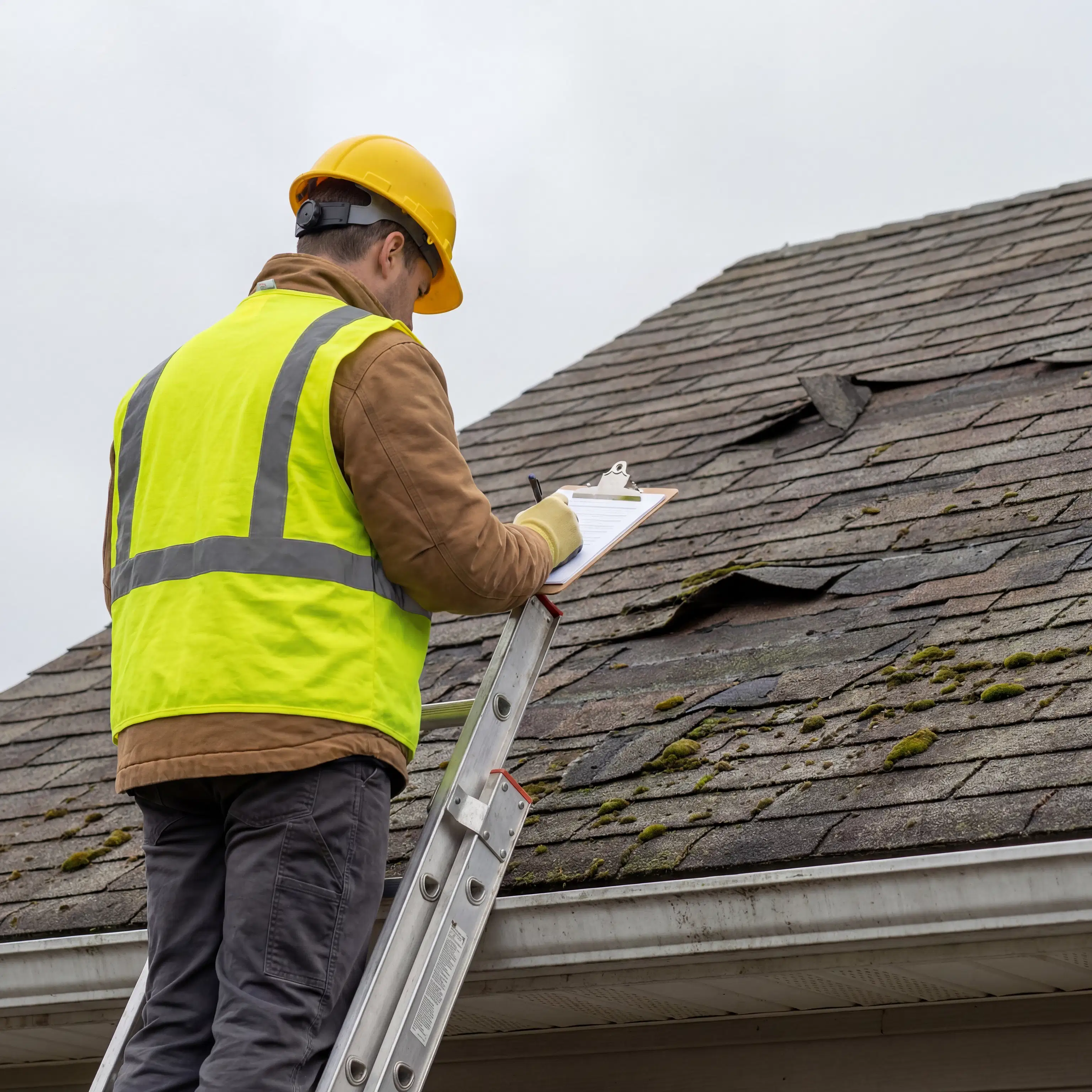
Prioritize Safety: It can be tempting to climb onto the roof yourself to find the source, but this can be extremely dangerous, especially during or after rain. Roofs are slippery, and a fall can cause serious injury. It's always best to leave the inspection to trained and properly equipped professionals.
-
Call for a Professional Inspection: The best course of action is to contact a trusted roofing company. A professional can safely assess the condition of your roof, accurately identify the source of the leak, and recommend the most effective solution. At Mint Roofing, we use our expertise and modern techniques to conduct thorough inspections and provide clear, honest assessments for all types of roofing repairs.
Protect Your Home with Mint Roofing
Your roof is your home's first line of defense, and even a minor leak is a sign that it needs attention. By recognizing the early warnings and understanding the common causes, you can act quickly to prevent small issues from becoming costly disasters. Remember, the key is to address the problem promptly and professionally.
If you've noticed any of the signs mentioned above or simply want the peace of mind that comes with a professional inspection, don't hesitate to reach out. Contact Mint Roofing today for reliable and expert roofing repairs, gutter maintenance, and comprehensive roofing services throughout the Toledo area. We're here to keep your home and family protected, no matter what the weather brings.