
How Failing Gutters Cause Roof Fascia Damage
When we think about protecting our homes from the elements, we usually look straight up. We worry about missing shingles, severe weather, and the overall age of our roofing system. However, one of the most critical components of your home's defense against water damage sits right at the edge of your roof line, largely ignored until a major problem arises: your gutters.
Here in the Glass City, our homes take a beating. From heavy spring rainstorms to intense Lake Effect snow that piles onto our roofs, your exterior drainage system works overtime to keep water moving away from your foundation. But what happens when that system fails? When gutters become clogged, pull away from the home, or sustain damage from ice dams, the water has to go somewhere. Unfortunately, that "somewhere" is often directly into the wooden boards holding your gutters in place.
At Mint Roofing, we have seen countless local homeowners face unexpected and costly home repairs simply because a small gutter issue was left unaddressed. Understanding the connection between your exterior drainage and your roof's structural integrity is the first step in protecting your investment and keeping your family safe and dry.
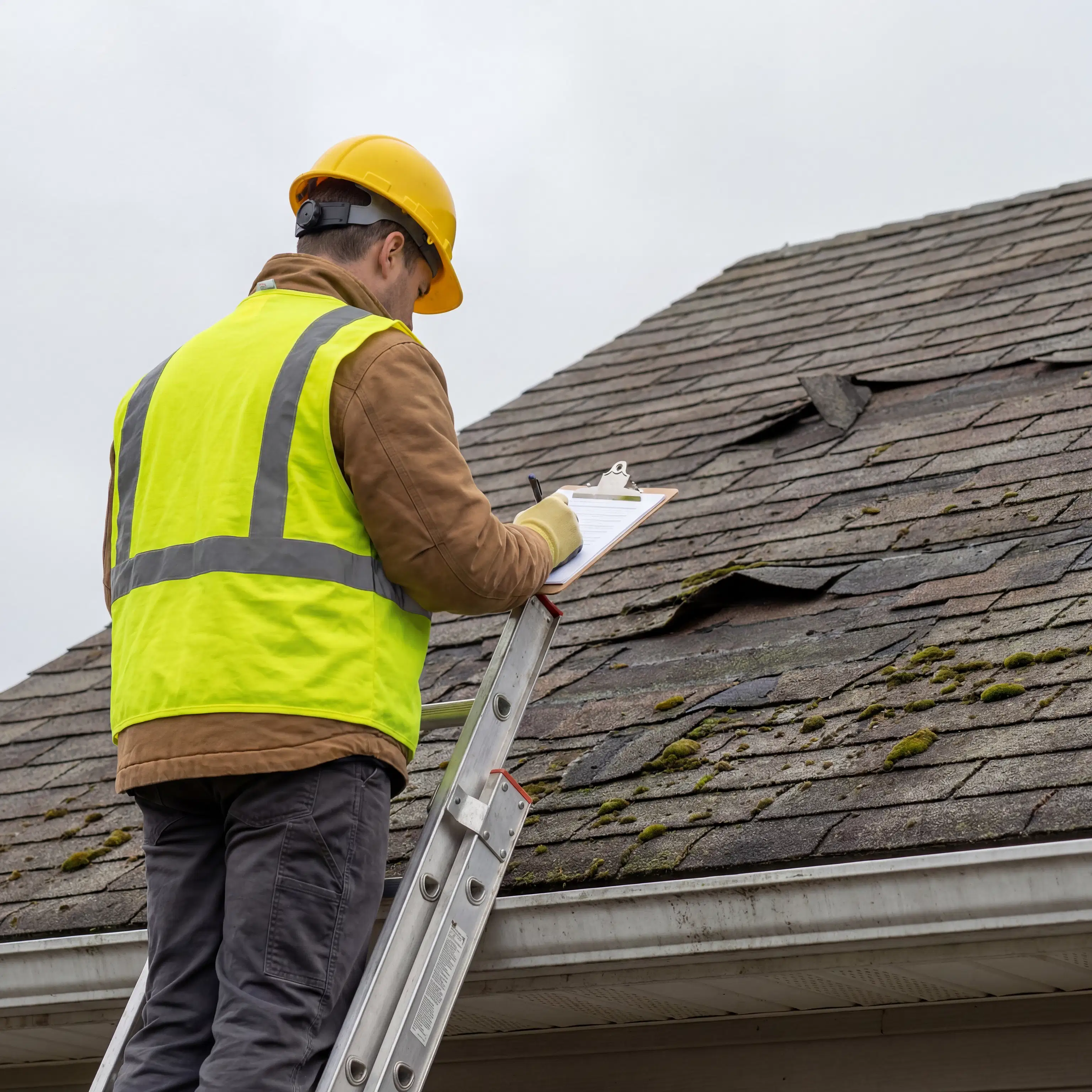
The Hidden Anatomy of Your Roof's Edge
To understand why drainage issues are so destructive, it helps to understand how the edge of your roof is constructed. Along the lower edge of your roof, right where the shingles end, runs a long, straight board called the fascia. This board is typically made of wood or composite materials and serves several vital purposes.
First, the fascia acts as the mounting point for your gutter system. It has to be strong enough to hold the weight of the aluminum channels, which become incredibly heavy when filled with water, wet leaves, or winter ice. Second, the fascia seals off the attic space and the ends of your roof rafters, keeping out moisture, wind, and pests. Finally, it provides a smooth, finished look to the exterior of your home.
Right above the fascia sits the drip edge, a piece of metal flashing designed to direct water off the shingles and straight into the gutter channel, preventing it from curling backward. When all these components work together in harmony, water flows seamlessly off your roof and safely away from your home's foundation. But when the system breaks down, the fascia is usually the first casualty.
How Damaged Gutters Cause Roof Rot
The process of decay rarely happens overnight. It is usually a slow, progressive issue that sneaks up on homeowners. So, exactly how damaged gutters cause roof rot? It all comes down to trapped moisture and disrupted water flow.
The most common culprit is a simple clog. When autumn leaves, twigs, and roofing granules accumulate in the channels, water cannot flow to the downspouts. During a heavy Northwest Ohio rainstorm, that water fills the channel to the brim. Because gutters are often mounted flush against the fascia, the standing water begins to spill over the back edge, soaking the untreated back side of the wooden board.
Winter weather accelerates this damage significantly. When clogged water freezes, it expands. This expansion forces the gutter to warp and pull away from the fascia board. This creates a gap where melting snow and ice can seep directly behind the metal channel. Furthermore, ice dams—ridges of solid ice that form at the edge of the roof—can force freezing water up under your shingles and down into the wood structure. Constant exposure to this trapped moisture creates the perfect environment for wood-decaying fungi. Over time, the structural integrity of the wood degrades entirely, leaving a crumbling, rotted mess that can no longer support the weight of the gutter.
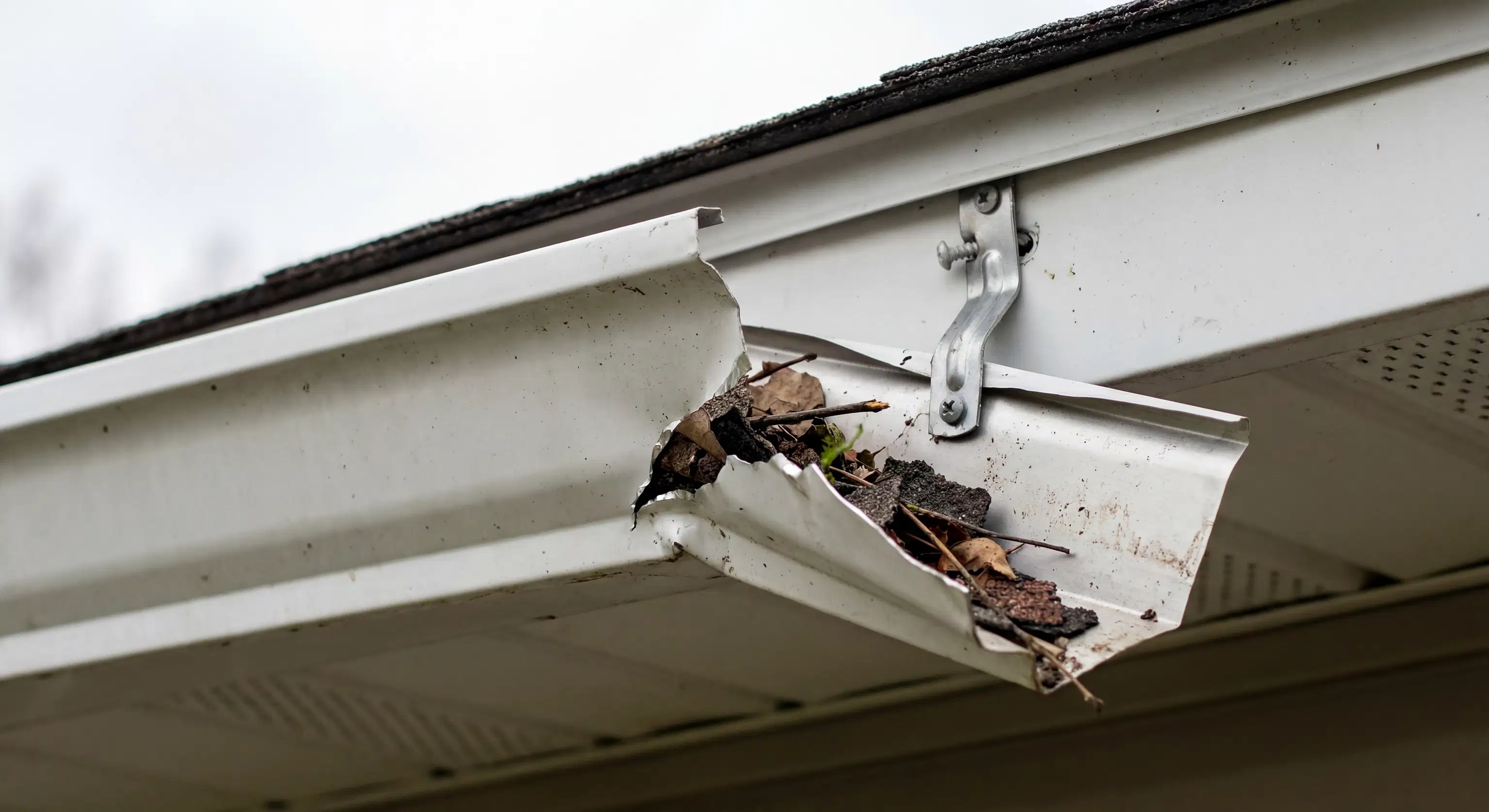
Identifying the Problem: Signs of Water Damage Behind Gutters
Because this decay happens behind the metal channels and beneath the roofline, it can be notoriously difficult to spot until the damage is severe. However, if you know what to look for, you can catch the issue early and save yourself from extensive structural repairs.
Here are the most common signs of water damage behind gutters that homeowners should watch out for:
- Peeling or Blistering Paint: If you notice the paint on your fascia boards or exterior siding beginning to bubble, crack, or peel away, it is a strong indicator that moisture is trapped inside the wood.
- Sagging or Pitching Gutters: A gutter that leans forward or sags in the middle is often pulling away because the wood holding the fasteners has rotted and lost its grip.
- Discoloration and Staining: Look for dark streaks, water spots, or rust-colored stains on the siding directly beneath the gutters. This means water is consistently overflowing or leaking behind the system.
- Soft or Spongy Wood: If you are safely able to reach your roof line, gently pressing on the fascia board with a screwdriver can reveal rot. If the wood feels soft, spongy, or crumbles easily, water damage is already present.
- Pest Intrusions: Rotted wood provides an easy entry point for squirrels, birds, and insects looking for a warm place to nest in your attic.
Given the extreme seasonal temperature swings we experience in the area, inspecting your home's exterior at least twice a year—once in late fall and once in early spring—is highly recommended to catch these warning signs.
Fixing the Damage: Repairing Rotted Fascia Boards Under Roof Shingles
When decay sets in, a simple cosmetic patch will not solve the underlying problem. Repairing rotted fascia boards under roof shingles is a complex process that requires precision, proper tools, and a deep understanding of roofing mechanics. It is not a recommended DIY project for the weekend warrior.
First, the affected sections of the gutter system must be carefully detached and removed. Next, a roofing professional must gently lift the lower edge of the shingles and remove the drip edge flashing without damaging the surrounding roof materials. Once the area is exposed, the rotted sections of the fascia board are cut away.
It is crucial that all the diseased wood is completely removed to prevent the rot from spreading to the roof rafters. New, pressure-treated or weather-resistant wood is then measured, cut, and securely fastened into place. After the new wood is primed and painted to match the home, the drip edge is reinstalled, the shingles are secured, and the gutter system is re-mounted with proper pitch and sturdy hidden hangers.
Because this process involves manipulating the actual roofing system, it is vital to work with licensed, fully insured professionals. A poorly executed repair can void your manufacturer warranties or inadvertently create new pathways for water to enter your attic. If you discover this kind of damage, our team offers comprehensive roofing repairs to ensure the structural integrity of your home is fully restored.
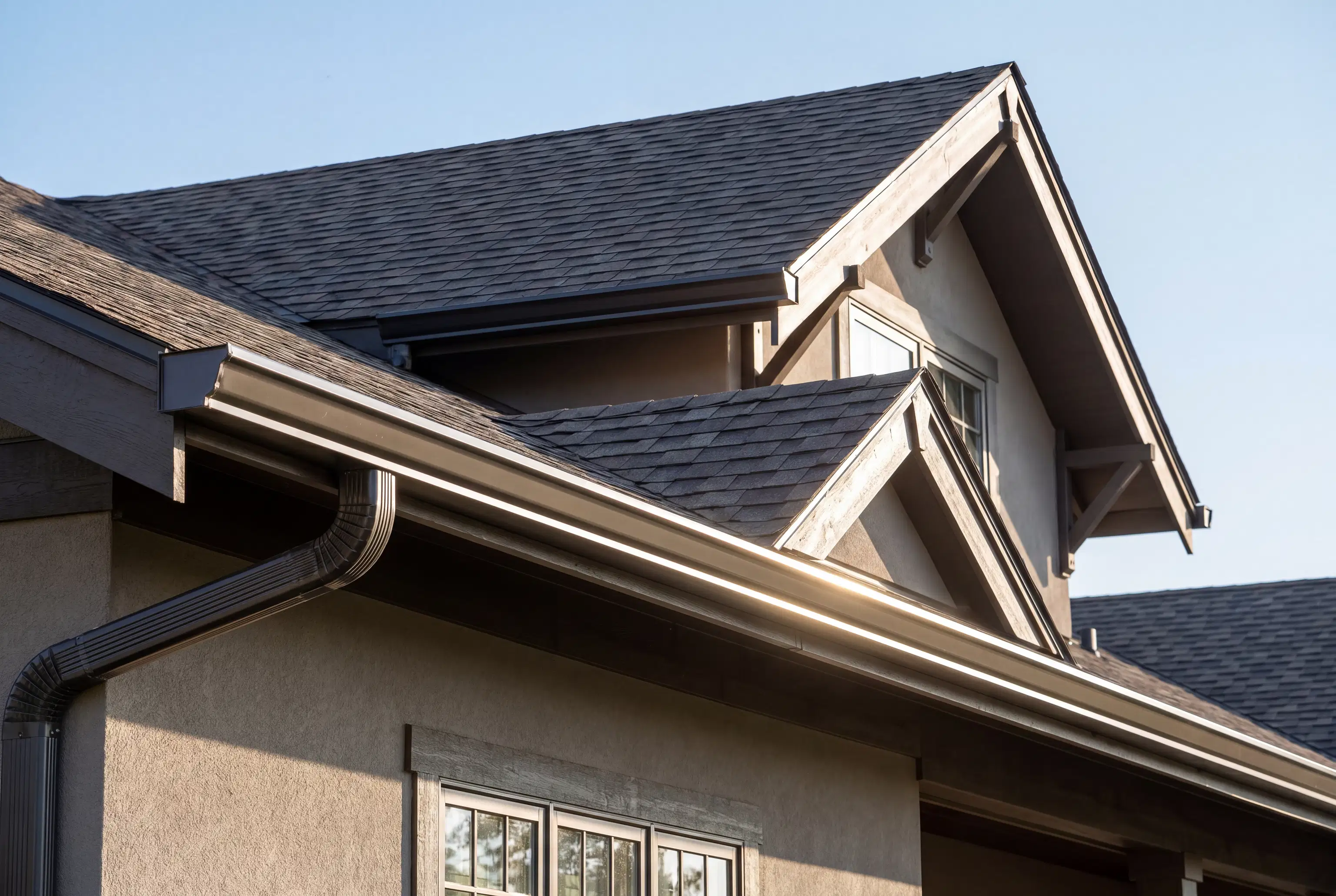
Protect Your Home with Mint Roofing
Your home is one of your most significant investments, and keeping it safe from unpredictable Ohio weather requires a proactive approach. Don't let a minor drainage issue evolve into a major structural nightmare. By keeping your gutters clean, addressing clogs immediately, and scheduling regular professional inspections, you can extend the life of your roof and avoid the headache of extensive wood rot.
At Mint Roofing, we understand the unique challenges that homes in Sylvania and Perrysburg face year-round. Whether you need a complete replacement of failing gutters, expert repairs for rotted fascia, or flexible financing options to help manage unexpected costs, our local team is here to provide honest, transparent, and high-quality service.
If you have noticed sagging channels, peeling paint, or suspect water is getting behind your roofline, don't wait for the next storm to test your home's limits. Contact us today to schedule a comprehensive evaluation and keep your home protected for years to come.