How Proper Roof Ventilation Prevents Winter Ice Dams
Living in the Glass City means knowing a thing or two about unpredictable winter weather. When the temperature drops and heavy Lake Effect snowstorms roll in, your home becomes your ultimate refuge. But while you are staying cozy and warm inside, your roof is out there battling the elements. One of the most common and destructive challenges local homeowners face during these bitter months is the formation of ice dams.
Ice dams might look like picturesque winter icicles hanging from your gutters, but they are actually a warning sign of a severe structural issue. If left untreated, they can cause extensive water damage, compromise your insulation, and significantly reduce the lifespan of your roofing materials. The secret to preventing this winter nightmare isn't just about clearing snow—it is about mastering the airflow inside your attic. Understanding how attic ventilation prevents ice dams is the first step toward protecting your home, your wallet, and your peace of mind this winter.
What Exactly is an Ice Dam?
Before we can talk about prevention, it helps to understand how these icy blockages form. An ice dam occurs when the upper section of your roof becomes warmer than the lower section (the eaves).
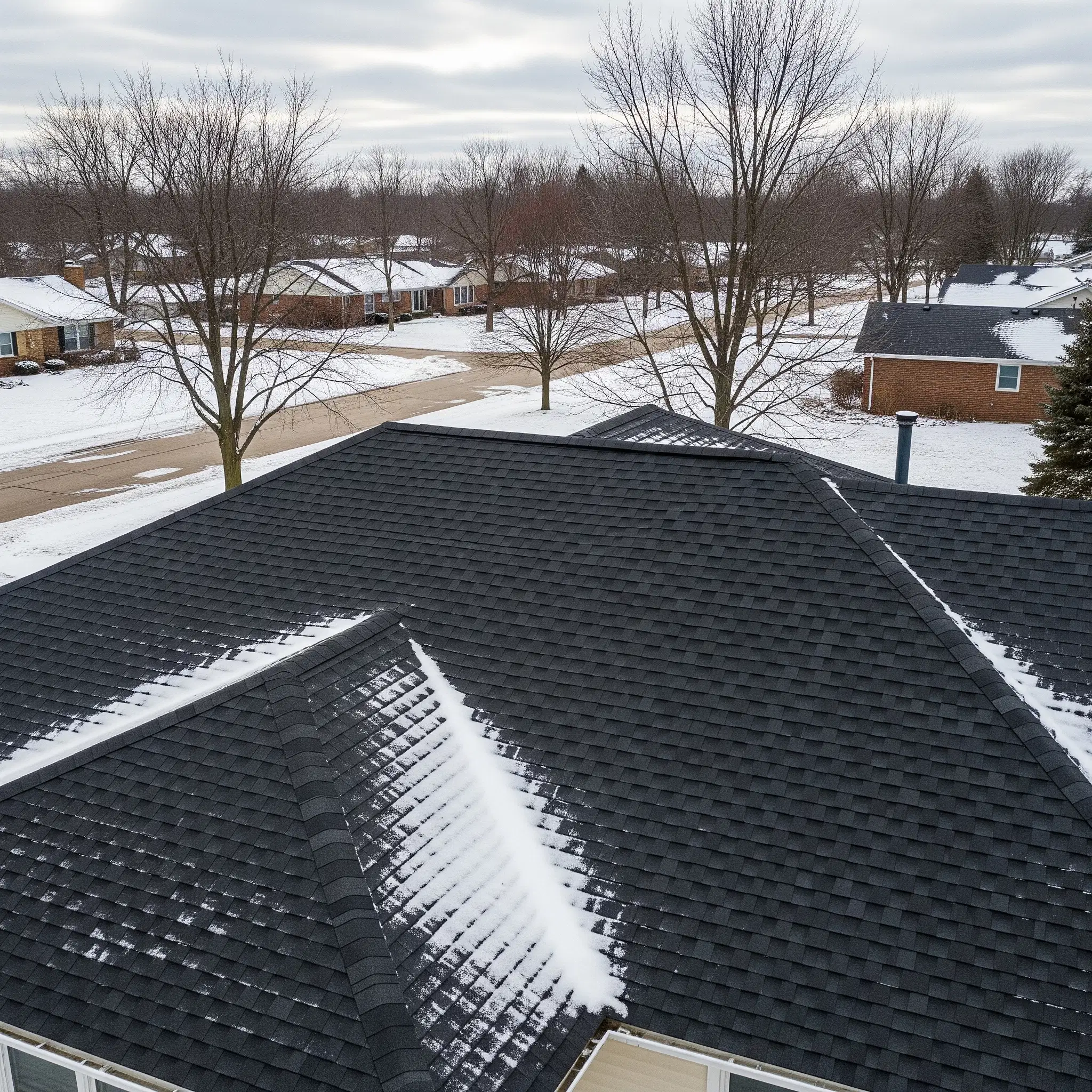
During a typical winter day, heat from your living space naturally rises. If your attic is poorly insulated or lacks proper airflow, that warm air accumulates right beneath your roof deck. This trapped heat melts the snow resting on the upper parts of your roof. The resulting water trickles down the slope until it reaches the eaves. Because the eaves extend beyond the heated walls of your house, they remain freezing cold. The melted snow hits this cold lower edge and rapidly freezes into a solid ridge of ice.
As this cycle repeats, the ice dam grows larger, blocking subsequent snowmelt from draining into your gutters. With nowhere else to go, the pooled water begins backing up under your shingles. Eventually, it seeps through the roof decking and into your home. This is often the moment homeowners realize they have a major problem, scrambling to find a reliable team for an emergency roof leak repair to stop water from ruining their ceilings and walls. If you are already noticing water stains or interior dripping, you can reach out to our team to explore your roofing repairs options immediately.
The Science of Airflow: How Attic Ventilation Prevents Ice Dams
The most effective way to stop ice dams from forming is to ensure that your entire roof surface remains the same temperature as the outside air. If your roof stays cold, the snow will not artificially melt from underneath, and the freeze-thaw cycle that creates dams will never begin.
This is where proper airflow becomes critical. A well-designed ventilation system continuously draws cold, fresh air in from the outside while expelling warm, moist air from the inside. This constant circulation regulates the attic temperature.
When evaluating a home's setup, roofing professionals often look at roof ridge vent vs soffit vent performance. These two components work together as a team. Soffit vents are located under the eaves and act as the intake, pulling fresh, cool air into the attic. Ridge vents run along the very peak of the roof and act as the exhaust, allowing the warm air to escape. When this system is balanced perfectly, the attic stays cold in the winter, the roof deck remains freezing, and snow melts evenly only when the sun or ambient outdoor temperature warms it naturally.
Identifying the Warning Signs
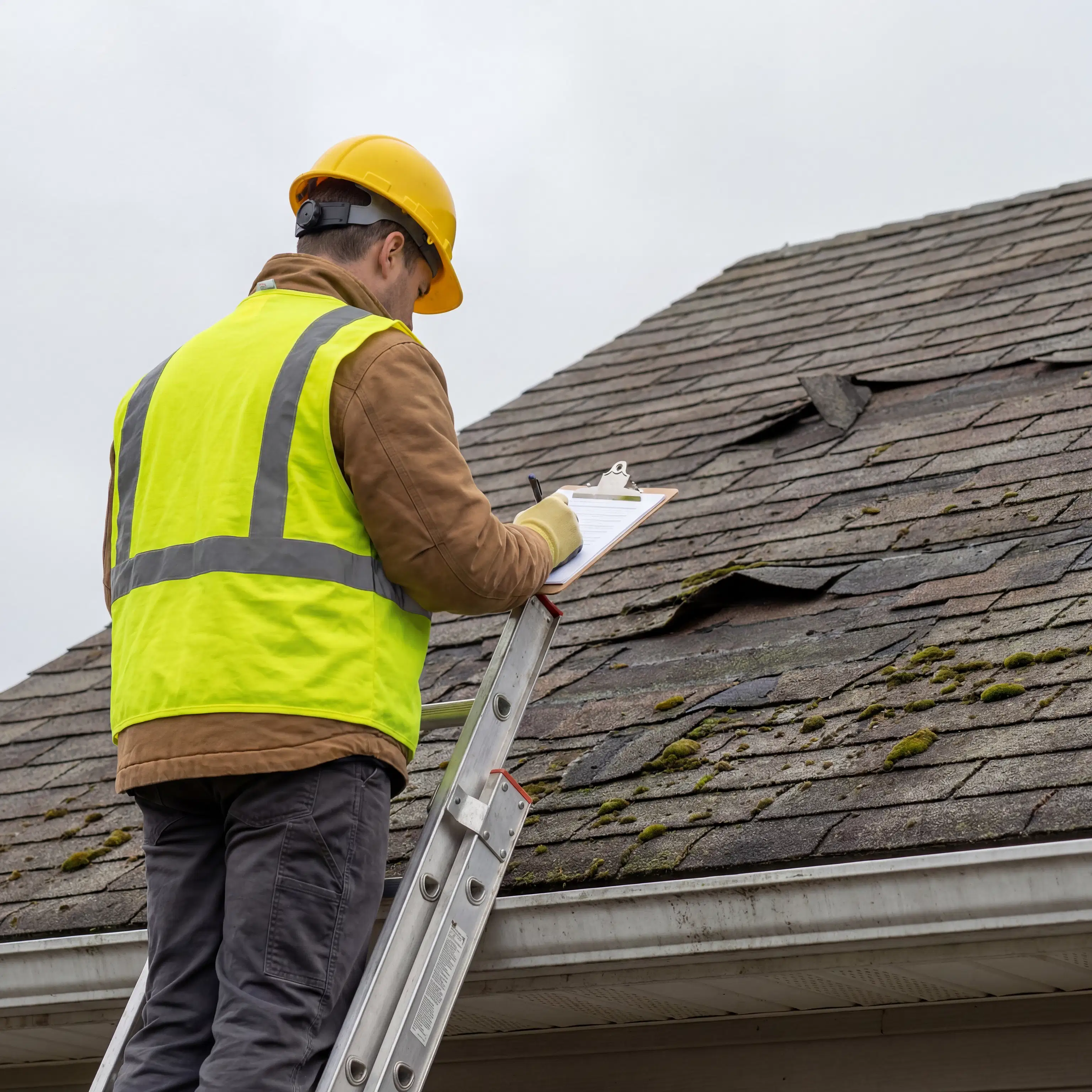
Many homeowners do not realize their ventilation system is failing until they are already dealing with a leak. However, there are several signs of inadequate roof ventilation you can look out for long before the snow starts falling:
- Frost in the Attic: If you pop your head into the attic on a cold day and see frost coating the underside of the roof deck or the nails, you have a severe moisture and airflow problem.
- Unexplained Shingle Damage: Poor ventilation bakes your roof in the summer and freezes it in the winter, leading to brittle, cracking, or curled materials. This often results in the need for missing shingles repair after even a mild windstorm.
- Mold and Mildew: A damp, musty smell in your upper floors or visible mold on your attic joists indicates that warm, humid air is trapped inside.
- High Energy Bills: If your HVAC system is constantly fighting the trapped heat in your attic during the summer, or if you are losing all your heat in the winter, poor ventilation is likely the culprit.
Upgrading Your Protection: Materials Matter
While improving your attic's airflow is the ultimate solution for preventing ice dams, the materials covering your home also play a massive role in winter protection. When deciding between a metal roof vs asphalt shingles, it is important to consider how each handles extreme winter weather.
Traditional architectural shingles are fantastic and durable, but they have a textured surface that grips snow and ice. If your ventilation is sub-par, asphalt shingles are highly susceptible to the water backup caused by ice dams.
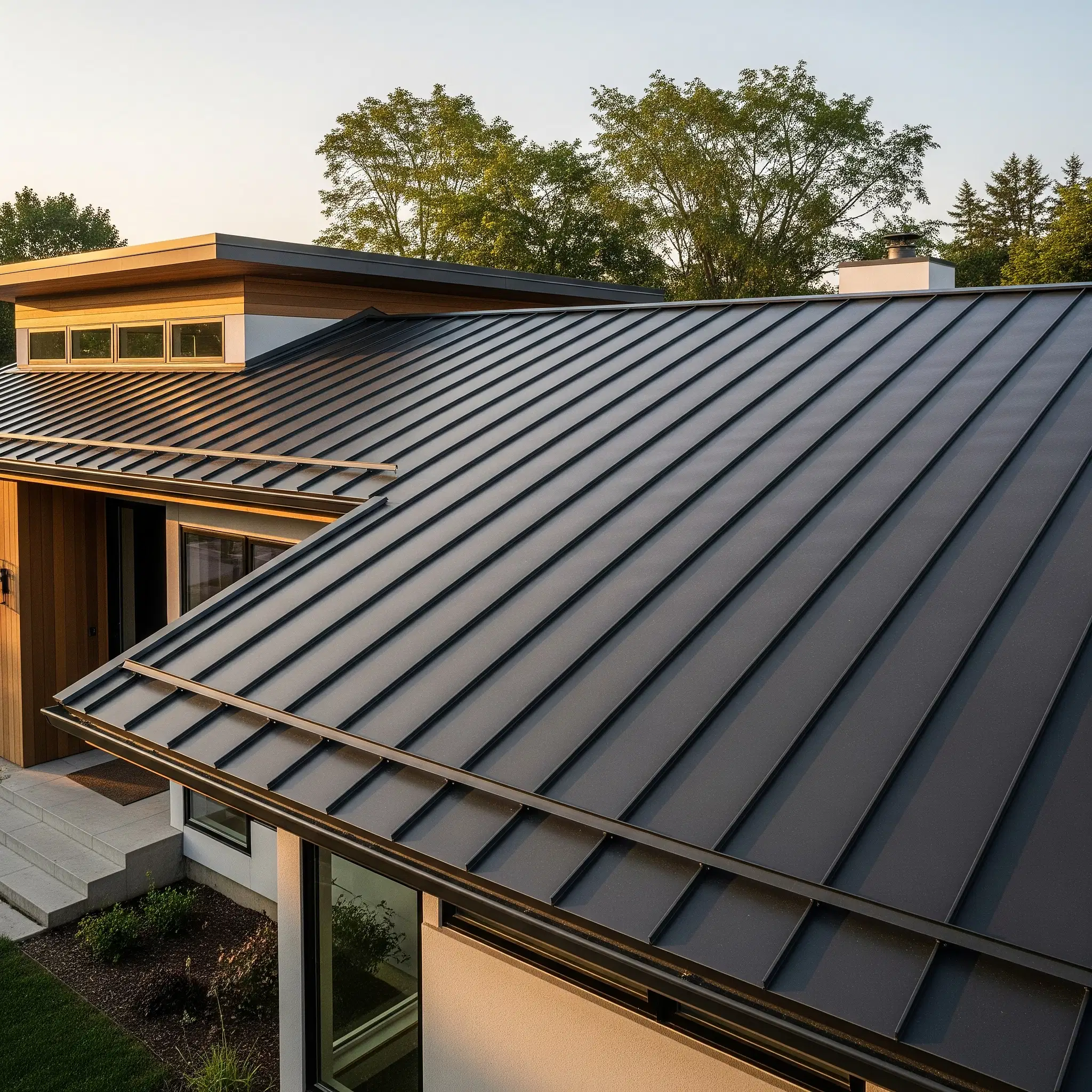
On the other hand, upgrading to metal roofing offers incredible advantages for harsh winter climates. Metal conducts cold very well, keeping the surface temperature uniform. Furthermore, its sleek, frictionless surface allows heavy snow loads to slide right off before they ever have the chance to melt and refreeze at the eaves. A modern metal installation, paired with a properly calibrated soffit and ridge vent system, creates an almost impenetrable defense against winter moisture.
At Mint Roofing, we understand that seasonal fluctuations can make scheduling home improvements difficult. Planning a roof evaluation or replacement before the deep freeze sets in helps you avoid the severe scheduling bottlenecks that inevitably happen during peak spring and summer months.
Prepare Your Home for the Winter Ahead
Your roof is a complex system of interconnected parts, and ventilation is its respiratory system. By ensuring your attic can breathe properly, you protect your shingles, preserve your interior ceilings, and significantly reduce the risk of structural damage caused by winter weather.
Don't wait until you are staring at massive icicles and dripping ceilings to take action. If you suspect your home might be at risk, or if you want to explore upgrading your exterior defenses, our team is here to help. Serving homeowners throughout the 419 area code, Mint Roofing provides thorough inspections and honest recommendations tailored to your specific property.
Ready to ensure your home is fully protected this season? Contact us today to schedule a consultation and experience the peace of mind that comes with a truly winter-ready roof.